Why Community Is Part of Your Health Plan

When most people think about their health, they think about exercise, nutrition, sleep, and maybe a trip to the chiropractor. Rarely does "who I spend my time with" make the list. The research suggests it should.
Social connection is a health factor, not a bonus
A landmark meta-analysis of 148 studies found that people with stronger social relationships had a 50% greater likelihood of survival over the follow-up periods than people with weaker ties (Holt-Lunstad et al., 2010). The authors noted the effect was comparable to well-known risk factors like smoking.
A later meta-analysis found that social isolation, loneliness, and living alone were each associated with a higher risk of premature death, at roughly 29%, 26%, and 32% (Holt-Lunstad et al., 2015). Similar patterns appear in older adults, though part of the association with loneliness appears to be explained by differences in health and demographics (Steptoe et al., 2013).
Heart health shows a link too. A systematic review and meta-analysis found that poor social relationships were associated with a higher risk of coronary heart disease and stroke (Valtorta et al., 2016).
These are observational findings, so they show association rather than proof that connection alone causes better outcomes. Still, the consistency across so many studies is hard to ignore.
How does community actually affect your body?
Researchers have proposed several pathways. Supportive relationships may buffer the effects of stress (Cohen & Wills, 1985), and reviews of the physiology suggest social support is tied to cardiovascular, neuroendocrine, and immune function (Uchino, 2006). In everyday terms, feeling supported can make stressors feel more manageable, and lower chronic stress is good news for your muscles, sleep, and recovery.
Movement is better with other people
Community and movement are a natural pair.
Consistency: A systematic review of community-based group exercise programs for older adults found that social factors, like friendship and group cohesion, were commonly linked to sticking with the program (Farrance et al., 2016).
Stress and quality of life: In a study of medical students, those who participated in group fitness classes reported improvements in perceived stress and quality of life, while those who exercised alone did not show the same changes (Yorks et al., 2017).
Shared effort: In a study of rowers, those who trained in synchrony with a group showed higher pain thresholds than those who trained alone (Cohen et al., 2010). Moving together may change how the effort feels.
In our practice, we see this every day. Patients who have a reason to show up, and people to show up with, tend to build habits that last.
What a healthy community can look like
You don't need a huge social circle. Look for:
Regular touchpoints, like a weekly class or a recurring meetup
Shared interests, like movement, recovery, or a sport you love
Low-pressure settings, where you can join in at your own pace
Local connections, so it's easy to keep showing up
This is why we build community events into how we practice. From Unwind Wednesdays to our wellness programming, our goal is to make health feel less like a chore and more like something you get to do with your neighbors.
Join us at the Movement Mixer
Our Movement Mixer, co-hosted with Shore Living Luxe Group, is a hands-on wellness event where you can try new things, meet local wellness professionals, and connect with people who care about feeling their best.
When: Saturday, October 17, 12–3 PM
Where: Patel Peak Performance, 6280 W. Sample Rd, Unit 205, Coral Springs, FL 33067
Tickets: $10 [Purchase Here]
What to expect:
Stretch Zone demonstrating assisted stretching
Mini massages from our in house massage therapist
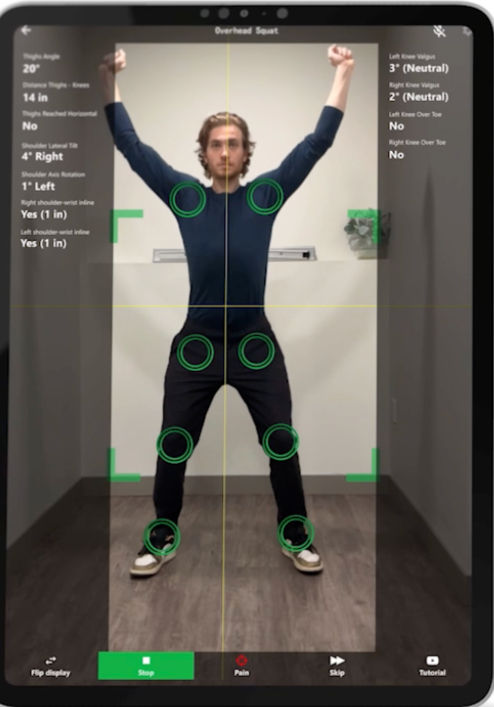
Performance screenings with our physical therapist
Mini group fitness classes led by a local gym
Athletic wear from a local vendor
Handmade bracelets from a local mural artist, set up in our wellness room
Healthy bites from Project Lean Nation
Early-bird perk: The first 10 ticket buyers receive a discounted new patient exam with Dr. Payal Patel, DC.
The bottom line
Community isn't a "nice to have" on the side of your health routine. It may be one of the most powerful parts of it. Whether you come to the Movement Mixer, an Unwind Wednesday, or simply bring a friend to your next walk, taking a step toward connection is a step toward better health.
Have questions about movement, pain, or performance? [Book a visit with Dr. Patel.]
Resources
Cohen, E. E. A., Ejsmond-Frey, R., Knight, N., & Dunbar, R. I. M. (2010). Rowers' high: Behavioural synchrony is correlated with elevated pain thresholds. Biology Letters, 6(1), 106–108.
Cohen, S., & Wills, T. A. (1985). Stress, social support, and the buffering hypothesis. Psychological Bulletin, 98(2), 310–357.
Farrance, C., Tsofliou, F., & Clark, C. (2016). Adherence to community based group exercise interventions for older people: A mixed-methods systematic review. Preventive Medicine, 87, 155–166.
Holt-Lunstad, J., Smith, T. B., & Layton, J. B. (2010). Social relationships and mortality risk: A meta-analytic review. PLoS Medicine, 7(7), e1000316.
Holt-Lunstad, J., Smith, T. B., Baker, M., Harris, T., & Stephenson, D. (2015). Loneliness and social isolation as risk factors for mortality: A meta-analytic review. Perspectives on Psychological Science, 10(2), 227–237.
Steptoe, A., Shankar, A., Demakakos, P., & Wardle, J. (2013). Social isolation, loneliness, and all-cause mortality in older men and women. PNAS, 110(15), 5797–5802.
Uchino, B. N. (2006). Social support and health: A review of physiological processes potentially underlying links to disease outcomes. Journal of Behavioral Medicine, 29(4), 377–387.
Valtorta, N. K., Kanaan, M., Gilbody, S., Ronzi, S., & Hanratty, B. (2016). Loneliness and social isolation as risk factors for coronary heart disease and stroke: Systematic review and meta-analysis of observational studies. Heart, 102(13), 1009–1016.
Yorks, D. M., Frothingham, C. A., & Schuenke, M. D. (2017). Effects of group fitness classes on stress and quality of life of medical students. Journal of the American Osteopathic Association, 117(11), e17–e25.

Comments